
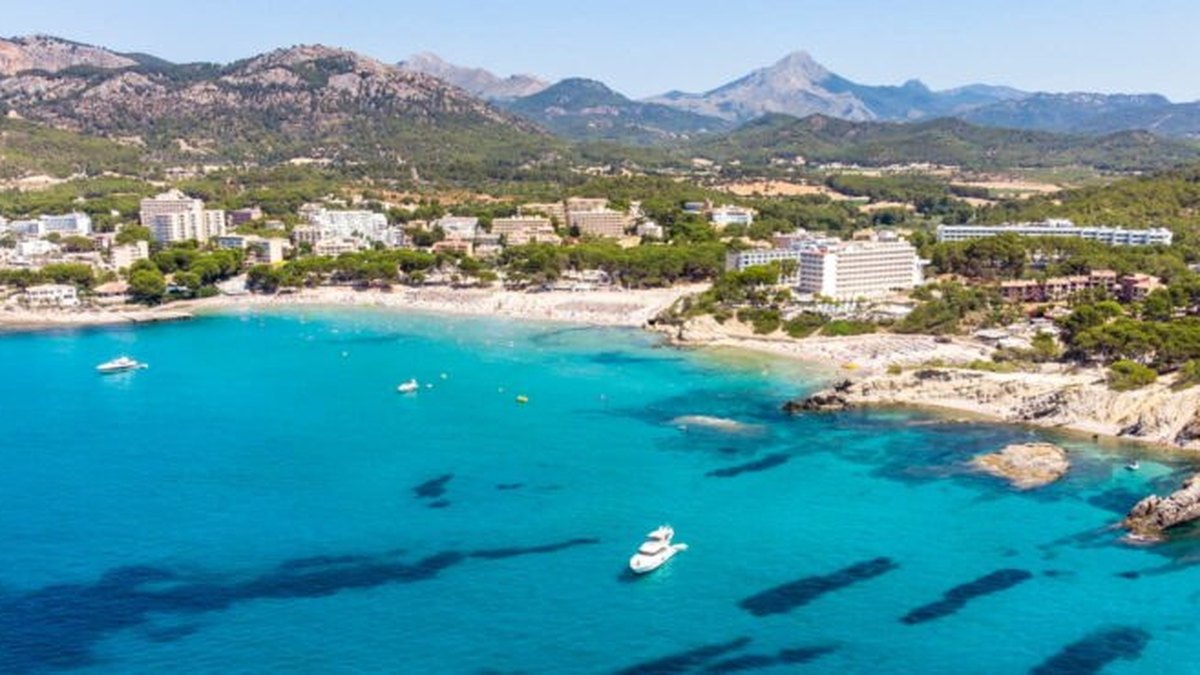
Mallorca has for decades been the favourite of buyers looking for quality and security: an island with a stable, international property market, more than 300 days of sunshine and a flight time of just over 2 hours. In this guide you will read where best to buy, what it costs and how letting and returns work.
The best areas to buy
Palma and the surrounding area
The capital combines city living with the beach and has life, amenities and demand for (long-term) letting all year round. Ideal for anyone wanting to combine return with personal use.
The south-west coast: Calvia, Peguera and Santa Ponsa
Sheltered bays, marinas and a strongly international character. Here you find modern new build developments and apartments within walking distance of the sea, popular with end users and investors alike.
The north-east: Capdepera and Cala Ratjada
Quieter and more affordable, with new build within walking distance of the beach. An interesting entry point for anyone seeking Mallorcan quality without the prices of the south-west coast.
What does property in Mallorca cost?
Prices are on average higher than on the mainland coasts. For modern apartments in sought-after coastal towns the range usually starts around 300,000 to 400,000 euros; villas and frontline locations sit well above that. Do not forget the buyer's costs : in the Balearics a progressive transfer tax of 8 to 13% applies to resale property, and for new build 10% VAT plus stamp duty.
Rental and returns
The letting rules in Mallorca are stricter than elsewhere in Spain: holiday letting requires an ETV licence that is scarce and tied to specific zones, and in parts of Palma is not issued for apartments at all. It is precisely that scarcity that makes licensed properties extra valuable. The long-term rental market is strong as well. Because of limited building space and constant demand, Mallorca excels above all in retaining and increasing value; combined with letting, a total return of 10 to 15% per year is realistic with a good purchase. Also read our guide on the rental licence in Spain.
Buying process and financing
The buying process is the same as in the rest of Spain: reservation, legal checks, purchase contract and notary. Financing is possible with a Spanish mortgage up to around 60 to 70% of the valuation. If you buy new build, also look into buying off-plan: in Mallorca the best units are often sold well before completion. Also have a look at our page on buying property in Mallorca.
How we help you in Mallorca
We know the developments, the developers and the letting rules, and guide you entirely in Dutch: from the first selection and viewing trip to the notary. Including off-market listings that are not publicly visible.
Frequently asked questions
Is property in Mallorca more expensive than on the Spanish mainland?
On average, yes. Mallorca is the premium segment of the Spanish market: entry prices are higher than on the Costa Blanca, but in return you get a very stable market with strong retention of value.
May I let my property in Mallorca to tourists?
Only with a letting licence (ETV), and these are scarce and tied to specific zones. In parts of Palma holiday letting of apartments is not permitted. So always check this before purchase; we include it as standard in our guidance.
What are the buyer's costs in the Balearics?
On resale property in the Balearics you pay a progressive transfer tax of 8 to 13%. For new build, 10% VAT plus stamp duty applies. All in all, count on around 10 to 15% on top of the purchase price.
Is property in Mallorca a good investment?
Because of the limited building space and constant international demand, Mallorca is above all strong in retaining and increasing value. Combined with letting, a total return of 10 to 15% per year is realistic with a good purchase.